Scarcity & Exclusivity: How Nintendo Fueled the Switch 2 Hype
When it comes to building hype, few companies do it as well as Nintendo. Every time they release a new console launch or drop a new Pokémon release, it feels more like an Apple event. This almost religious event comes with all the typical rituals: long lines, sold-out preorders, and fans refreshing websites in hopes of getting the most recent drops, only for many of these people in the end to come out empty-handed.
Nintendo claims that this is due to a lack of chip supply and even blamed tariffs to justify the price increase. But this isn’t the result of poor supply chain planning. In fact, this is not the first time Nintendo has pulled this trick. Rather, it’s the deliberate use of a powerful consumer psychology trick, scarcity and exclusivity.
In this blog post, we will break down how Nintendo has utilized this tool to build hype and desire around their new products and how you can implement these in your marketing strategies.
The Psychology of Scarcity & Exclusivity

Scarcity is not a hard concept to define, as it is essentially being short on supply. More importantly is the psychological effect scarcity can have, especially in marketing. In an article by AdSerts, he describes this effect, “scarcity taps into a fundamental aspect of human behavior: the fear of missing out (FOMO). When something is perceived as rare or limited, its value increases in the eyes of the consumer.” He goes on to define to principles that underlie it.
The Scarcity Effect: People tend to assign greater value to things that are in short supply.
Social Proof: This short or limited supply suggests this thing is in high demand, which reinforces the desirability of the product or service.
This exclusivity of the product or service, when paired with a strong targeted audience in an advertising campaign, is powerful. It drives demand as customers try to buy quickly to capitalize on limited offers. It increases prestige as hard-to-get products are perceived as more luxurious or desirable. Finally, it builds loyalty by offering unique perks or access, connecting deeper with the audience.
Scarcity & Exclusivity: Nintendo’s Strategy
The Nintendo Scarcity Formula
Nintendo’s reputation for under-supply is legendary, and the recent Switch 2 hype is not the first time they’ve utilized this tactic. As ProCapitas highlights that the strategy they used for the Switch 2 harkens back to the Wii’s playbook and does not reflect a true chip crisis that we saw from 2020-2022. This is an intentional strategy.
This strategy is essentially what they call a go-slow rollout strategy. Where they purposely under-ship early units and utilize the scarcity effect, they create a must-have frenzy that will ideally generate sales in the following quarters. A strategy that seems to have worked with the first Switch being the third most sold console in history and the second in Nintendo’s history, with over 150 million units in 8 years.
Trickle Down Exclusivity
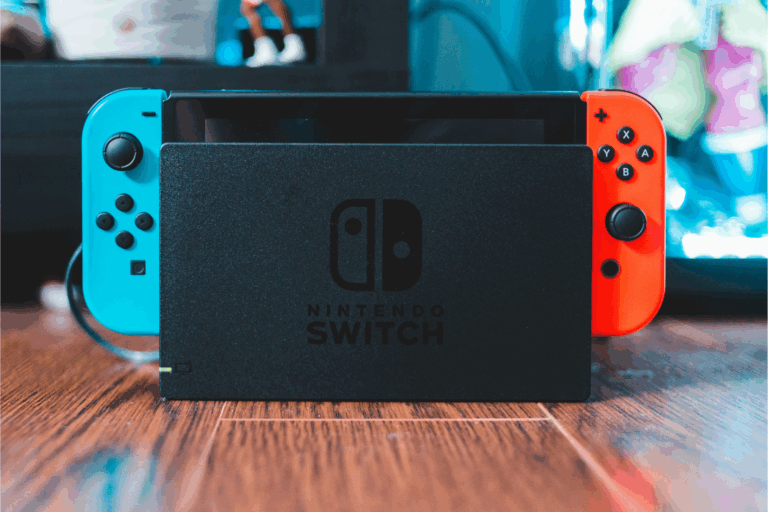
What was different this time compared to the Wii is the intentional use of digital channels to pre-order and purchase the Switch. Part of this was also limiting pre-purchase and launch orders to one console per customer in major retailers, like Target, Best Buy, Walmart, and Amazon. Here we start to see the exclusivity piece come into play.
The result was that the Switch 2 launch became the fastest-selling console in company history, moving 3.5 million units in just four days, as The Sun highlights. Nintendo is also projecting that they will sell 15 million units by March 2026, again highlighting the power of their scarcity & exclusivity strategy.
But it doesn’t end there. Since launch, they continue to utilize these digital channels they have to also create digital queues and flash drops on different platforms to trickle releases into the market. This is also part of their secondary goals to gather a lot of buying behavior data while increasing sales.
We can, however, see that this is also intentional to tap into the exclusivity to build on their scarcity strategy. This will ultimately lead to an increase in demand and prestige as those who have it develop social proof and prestige, while those who have not will begin to desire it more.
How Communication Amplifies Scarcity & Exclusivity
Nintendo doesn’t only limit supply, it loves to communicate scarcity, albeit strategically. Take President Shuntaro Furukawa, who publicly acknowledged the initial demand “far exceeded our expectations,” as written in Nintendo Everything. He again apologized when 2.2 million lottery applicants failed to get a Switch 2, while promising repeated lotteries to distribute consoles fairly.
Initially, this may seem like horrible news, but it is actually utilizing a tactic. This approach taps into the loss aversion bias, where it is believed consumers are more motivated to avoid missing out than to gain something new.
By announcing these limited windows, lotteries, and countdowns, Nintendo is actually magnifying the psychological pull of scarcity. It also magnifies the exclusivity as being part of that 2.2 million makes the consumer feel like they are special or have gained unique access. Properly timed and thought-out communication can amplify the message.
Risks and Reputation
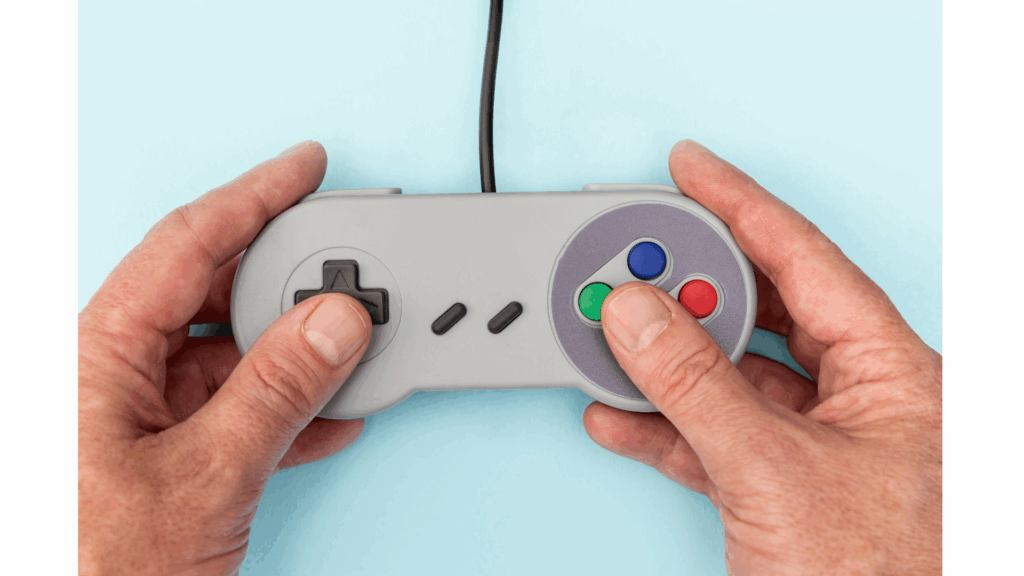
It’s important to note that artificial scarcity isn’t without drawbacks. Take the NES Classic’s discontinuation. It was released in November 2016 as an emulator of the Famicon and NES. It was extremely popular, selling out almost immediately and selling 2.3 million units in its short time.
However, in 2017, after only five months, Nintendo decided to cease production despite increasing demand for the product. It was later relaunched it again in June 2018, only to again cease production six months later in December 2018.
This, however, drew in frustration and bad press, as scalpers resold consoles at inflated prices, as Wired highlights. The argument was their go-to talking point, that Nintendo was unaware of how popular the device would be. Critics, however, argued Nintendo knows its audience and felt like they were abandoned. The move damaged trust and left fans disappointed.
The challenge for Nintendo, and any brand trying this tactic, is maintaining balance. Scarcity creates demand, but too much can alienate loyal customers.
Key Takeaways for Marketers
Scarcity drives demand: Limiting supply fuels desire and creates a FOMO and urgency to purchase a product.
Exclusivity elevates value: Exclusivity makes products feel more meaningful and desirable for consumers and helps drive sales in the long term.
Communication Amplifies: Scarcity must be amplified through messaging, lotteries, and countdowns.
Balance is essential: Push scarcity too far, and frustration may outweigh excitement and have the opposite effect of pushing consumers away.
Conclusion
Nintendo has turned scarcity and exclusivity into a core persuasion strategy through its go-slow strategy. By combining limited availability, limiting access, and careful communication, it doesn’t just sell products, it sells cultural events. It’s, however, important to remember to maintain balance and keep in mind your audience, or risk pushing away some of your loyal consumers.
For marketers, the lesson is clear: scarcity and exclusivity aren’t accidents. They’re not chip shortages. They’re deliberate tools that, when managed carefully, can transform normal launches into powerful moments.