Suntory: How to turn Data into Strategy
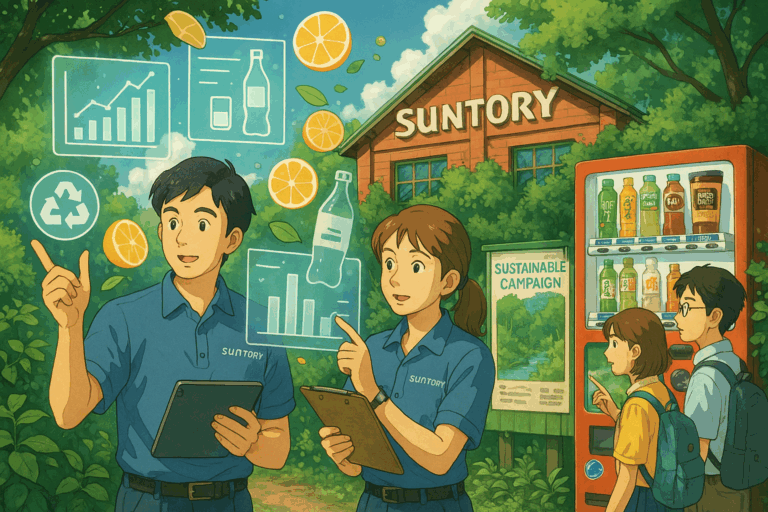
In today’s digital landscape, there are ever increasing ways to collect data. The challenge lies in knowing what that data means and how to use it. That is where the difference between data points and data becomes essential. In a market like Japan where consumer expectations are high, trust is crucial, and loyalty deeply rooted, understanding what data means can turn you from being liked to being loved.
At the heart of every successful brand whether foreign or domestic, is marketing research. This is the process of collecting that raw data, and turning into actionable insights. One company who has excelled at this is Suntory, a Japanese beverage giant know for its long history, innovation, and sustainability goals. Suntory has developed careful research design and data collection, and successfully interpreted that to refine its products and brand messaging.
In this blog post we will see what the difference between data and insights are and see how Suntory turned data into insight and that insight into action. Lets dive in.
Data Points vs Data Insights
A data point, in simple terms, is a single piece of information. This could be some words or, more ideally, numbers. An example of this could be someone clicking yes to using our product on a dual-choice question in a survey or clicking 7, meaning they highly recommend our product.
This is a single data point that doesn’t mean anything to us on its own compared to the vast data collected within one survey, let alone hundreds. That’s where we begin the analysis of that vast data and turn it into data insight.
Data insight, in simple terms, then, is a meaningful understanding drawn from multiple data points. Meaningful is important in this definition because we can perform simple descriptive analysis to develop means or modes of those numbers. We may think, “hey, our central tendency was yes to using our product”, or “hey, the mean was 5, so they generally recommend our product.”
This may look good on some reports and dashboards, however, that assumption may not be necessarily true. We need to perform a more in depth statistical analysis to see if there is significance in those means and modes. This is where we can get the actionable information.
Once we have fully analyzed the data and confidently say there is a statistical significance in whatever we are looking for, we have found real insight. If we can’t confidently confirm whether people prefer minimalist packaging or colorful packaging with statistical certainty, we may be walking into a trap where we spend loads of money with little to show.
That’s why Suntory has been so successful. They not only collect valuable data points they are also exceptional at transforming that into insight and ultimately action. So, let’s see how data points, insights, and action all come together by taking a look at Suntory.
How Suntory uses Marketing Research to Create Insights
1) Developing Meaningful Sustainability Messaging
Marketing Research Data Point
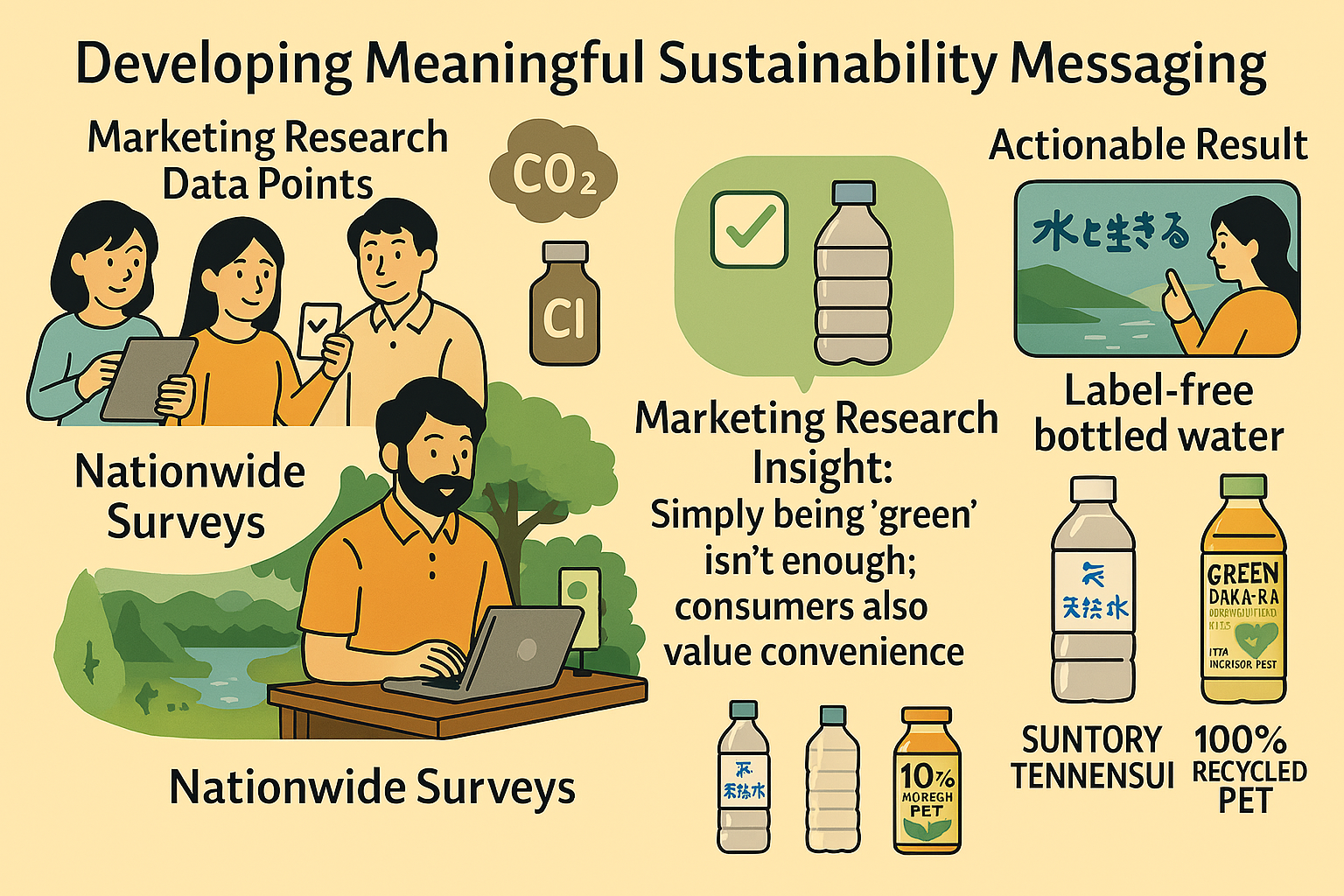
Suntory began by conducted nationwide surveys to determine what consumer attitudes were towards environmental issues. This included concerns about CO2 emissions and plastic use. They also collected sensor data and environmental reports form their Suntory “Natural Water Sanctuaries.” These reports monitor things like forest health, biodiversity, rainfall and water purity in their protected source areas.
Marketing Research Insight:
They found that while Japanese consumers appreciate environmental responsibility, simply being “green” isn’t enough, and brands need to make sustainable options easy and accessible. They also value practicality and convenience in everyday products like bottled beverages.
Actionable Result:
The result was a series of initiatives that all worked in tandem with each other. First, was to make label-free bottled water under their Suntory Tennensui (天然水) brand, which is one of their top selling natural mineral water in Japan.
They also began to roll our 100% recycled PET bottles for their soft drink options, beginning with Suntory GREEN DAKARA, which is a type of electrolyte drink that competes with drinks like Pocari Sweat.
Lastly, they integrated these change into a storytelling campaign that links product innovation with the company’s philosophy of Mizu to Ikiru (水と生きる) or Living with Water in English. These campaigns were supported by videos, interactive websites, and QR codes on packaging providing educational content on Suntory’s efforts. This helped build trust and strengthen brand values with its consumers.
2) Regional Taste Preferences and Localized Products
Market Research Data Points:
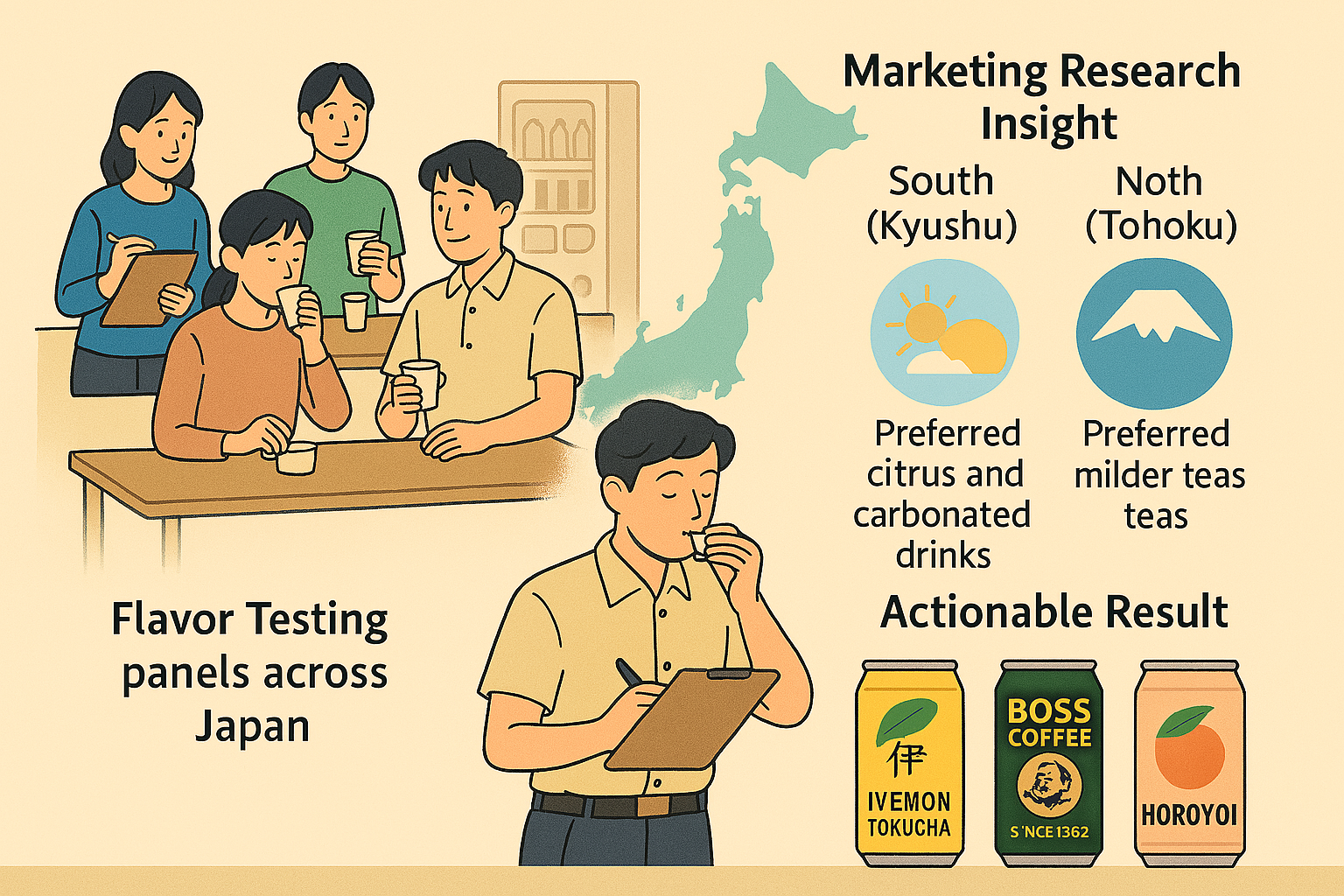
For this experiment, Suntory performed flavor testing panels in multiple prefectures around Japan. They looked at and compared preferences by age, gender, and climate. They also performed sales analysis on over 500,000 vending machines across Japan and segmented that data by region, temperature, and time of day.
Marketing Research Insight:
What they learned was consumers in hot and humid areas towards the south of the country like Kyushi and Shikoku, preferred refreshing citrus and lightly carbonated drinks. While, in the northern regions like Tohoku and Hokkaido, preferred milder teas and less-sweetened beverages, especially during the colder months of Winter.
Actionable Result:
Suntory then introduced limited regional editions of various well-known brands and adjusted the flavor profiles for those regions.
For the southern regions only, they released a limited “Kyushu Citrus” blend of their green tea brand, Iyemon Tokucha. This blend included yuzu and kabosu, two well-known Japanese citrus fruits that are primarily grown in the southern regions.
In the norther regions they introduced a “Mild Roast” version of their BOSS Coffee, that had. a smoother profile to cater to the local preference.
They also released Suntory Horoyoi, a low alcohol drink line, that included seasonal flavors like ume (Japanese plum) and peach blossom. This was done to resonate with local cultural and season traditions found across Japan.
By aligning its product development with local tastes, it was able to increase its sales and brand affinity with its consumers. Localized personalization is a key element to success in Japan, and the insight for this experiment shows how true that is.
3) Packaging Innovations
Marketing Research Data Points:
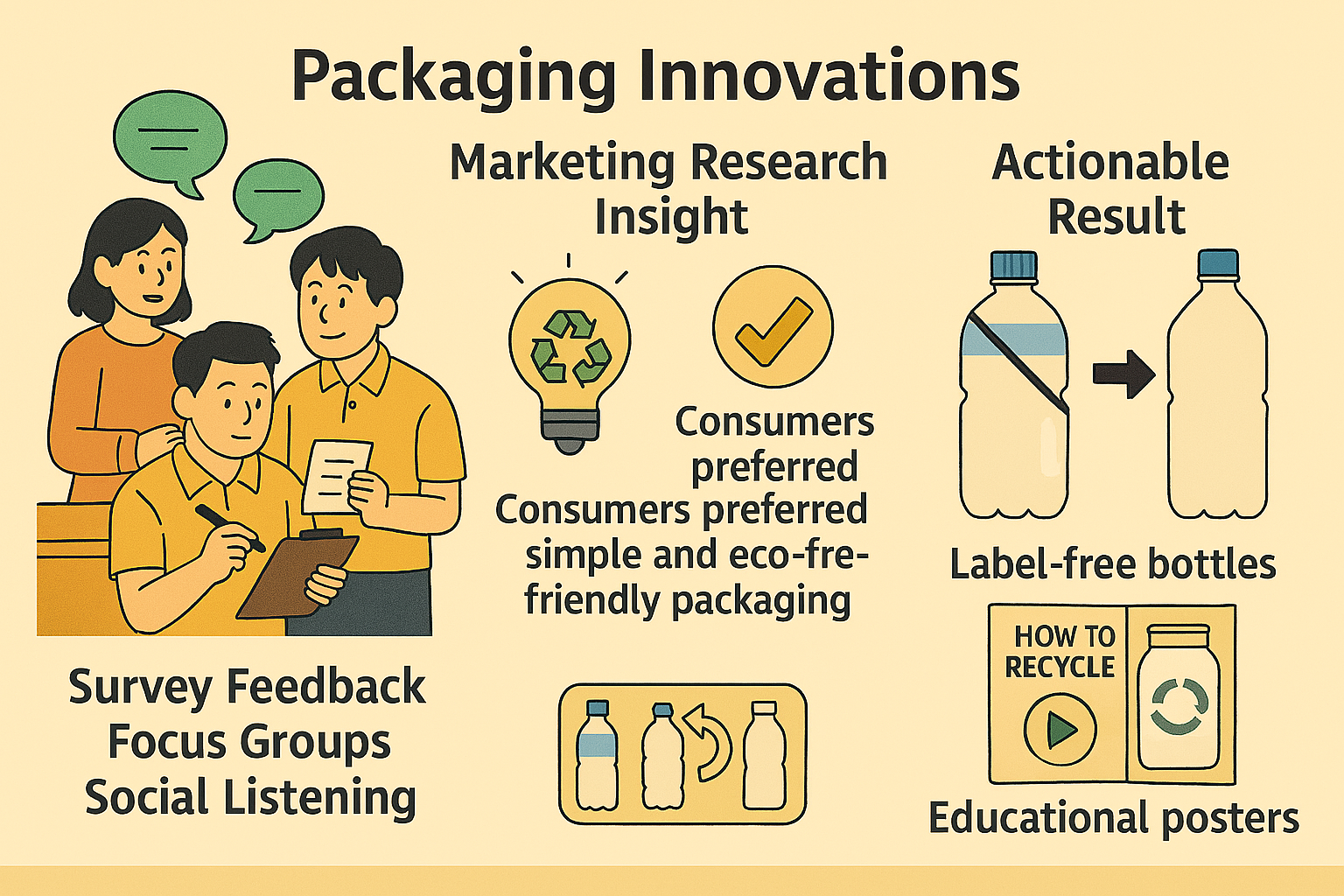
This next one is a great example of how different experiments lead to different data points, insights, and perspectives as it ties to our first example. In this case they noticed from survey feedback, that consumers would get confused on how to sort bottles with complex labels. They set out to learn more by performing focus groups, where they learned clear, easy-to-understand packaging improved product satisfaction even before purchase. They used social listening tools to tap into online discussions about plastic waste and recycling difficulties among younger conscious audiences.
Marketing Research Insight:
Similar to what they found in the first example, Japanese consumers increasingly judge brands by the clarity and integrity of their sustainability efforts. They still also prioritize ease and functionality as well. However, they also found they preferred packaging that was conscious, convenient, and informative without being too complex.
Actionable Result:
As we see there was two different studies that contributed to the decision to remove Tennensui bottled water wrapping. This made it easier to recycle but all visually communicate that they were committed to reducing plastic waste.
They didn’t however completely eliminate the label across the Tennensui brand, instead they reduced the amount of plastic used in the wrapping and the bottle cap, reducing the amount of plastic used by 50%.
They also simplified the bottle designs across there other lines and used embedded branding instead of external labels for some of those brands as well.
This was backed by a marketing campaign with education videos and in-store posters explaining how to recycle and why it matters. There website also highlights all of the efforts and sustainability goals with a goal of switching to 100% plant based PET bottles.
These efforts have boosted Suntory’s sustainability credibility while meeting consumer expectations. This has strengthen there brand image and loyalty, particularly about younger eco-conscious audiences.
Concluding Thoughts
I hope this helps you understand the difference between data and data insight and how you can put that into actionable strategy. Data is just a number or information that exists but means nothing on its own. It is how we test that data point, compare it to other data points, or even predict future data points, is when it becomes insight. That insight with some creativity can be turned into actions and strategy that can elevate your brand to the top like Suntory.
Suntory didn’t just collect that data, they knew how to use it. The insights they developed helped fuel there decisions and the results were:
- Sustainability campaigns that resonated with consumers
- Flavor developments tailored to local markets
- Packaging innovation driven by consumer preferences
- Marketing strategies that match values with consumer behaviors
Suntory maintains leadership in Japan’s highly competitive consumer market because of well-structured marketing research. Marketing research give you the tools, to turn data points into insight and that is how you maintain market leadership.
Follow me on social media to get the latest updates on my next blog post, and consider signing up for my newsletter coming soon.